Flower stall permit requirements for events in Kennington Park
Posted on 25/09/2026
Flower Stall Permit Requirements for Events in Kennington Park: A Practical Guide for Traders, Planners and Event Hosts
If you are planning to sell flowers at an event in Kennington Park, the paperwork can feel a bit more complicated than the stall itself. That is usually the point where people pause and ask the real question: what are the flower stall permit requirements for events in Kennington Park, and what do you actually need before you turn up with buckets, buckets of blooms, and a hopeful smile?
Truth be told, the answer is rarely just one permit. It often depends on the nature of the event, the space you want to use, who is organising it, and whether trading is covered by the event's own approvals. This guide walks you through the practical side of it all: permissions, compliance, common mistakes, timing, and the decisions that help you avoid a last-minute scramble on the day.
We will keep this grounded and useful. No fluff, no fantasy paperwork. Just the steps, checks, and sensible planning points that matter if you want to trade flowers smoothly at a park event in London.
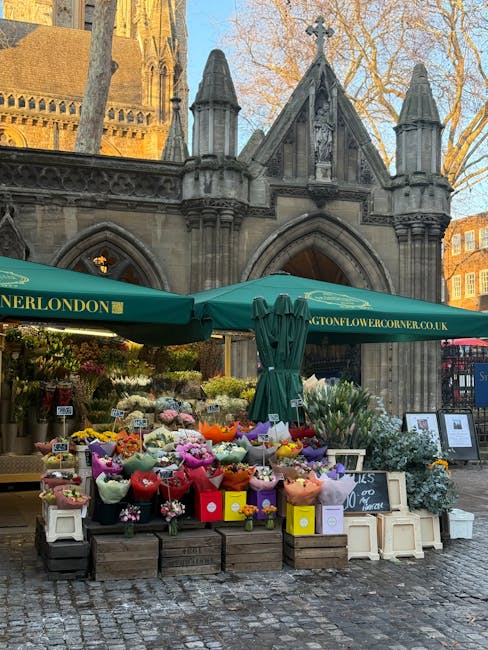
Why Flower Stall Permit Requirements for Events in Kennington Park Matters
A flower stall at an event is not the same as setting up in a high street market or making a one-off delivery. Parks are managed spaces, and events inside them usually come with layers of approval, risk controls, and site rules. If you skip those checks, you may be asked to move, lose your pitch fee, or miss the event altogether. Not ideal, obviously.
For flower sellers, the stakes are higher than many people expect. Flowers are beautiful but they are also perishable, water-sensitive, and presentation-dependent. A permit process that looks minor on paper can influence everything from where your display sits to how you transport stock, how much space you get, whether you can use a gazebo, and what time you can arrive. One windy afternoon in a park can remind you very quickly that a loose bucket arrangement is not a plan.
It also matters because event organisers usually need to show they have thought through trading activity, footfall, waste, public safety, and access. That means your application or agreement may need to include simple but specific details: what you are selling, how much room you need, whether you have insurance, and how you will manage customers. If you are prepared, you make life easier for everyone, including yourself.
Practical takeaway: the permit is not just red tape. It is the thing that helps your stall fit the event, the site, and the rules around it without awkward surprises later.
How Flower Stall Permit Requirements for Events in Kennington Park Works
The process usually starts with the event organiser, not with the park itself. In many cases, the organiser secures the event permission and then decides which traders can attend. If you are a florist, you may be asked to complete a trading application, send product details, and agree to stall conditions before a place is confirmed.
At a practical level, flower stall permit requirements for events in Kennington Park often fall into a few overlapping categories:
- Event approval: the event itself must be authorised for the park location.
- Trading permission: the organiser or site manager may need to approve your stall specifically.
- Risk and safety paperwork: this can include insurance, a risk assessment, and stall setup details.
- Operational conditions: timings, access routes, vehicle unloading, waste disposal, and fire safety expectations.
- Product restrictions: some events limit what can be sold or displayed.
You should also expect the organiser to care about how your stall looks and functions. A flower stall can be elegant and still tick every practical box, but it needs to stay tidy, stable, and accessible. Nobody wants a row of toppled buckets because the wind picked up at 2:15 pm and the tables were a bit too light.
If alcohol, food, amplified sound, or large structures are part of the wider event, the approval process may become more detailed. For a simple flower stall, it is usually less complex than a catering unit or a stage area, but it still needs proper sign-off.
One thing worth saying plainly: do not assume that because the event is in a public park, you can trade casually without permission. That is one of the quickest ways to end up having a very awkward conversation with the organiser or site steward.
Key Benefits and Practical Advantages
Getting the permit side right may not feel glamorous, but it pays off in very real ways. The first benefit is certainty. When you know your pitch is approved, you can plan stock, staffing, transport, and setup with a lot more confidence. That matters a great deal for flowers, which can be sensitive to heat, cold, and delay.
There is also a commercial benefit. A stall that is properly approved usually looks more professional to customers and organisers alike. In event trading, trust is part of the sale. If your paperwork is in order, you come across as organised and reliable, which helps when people are choosing between several vendors.
Other practical advantages include:
- clear arrival and access instructions
- less risk of being turned away on the day
- better stall placement planning
- reduced chance of disputes over pitch boundaries
- more confidence around public liability and event insurance checks
- smoother communication with the organiser if weather or layout changes
There is a softer benefit too. When the admin is sorted, you can focus on the real work: making the stall look lovely and selling the right flowers to the right people. On a bright summer morning, with people wandering through the park and the smell of fresh stems in the air, that ease shows. Customers notice calm operations. They just do.
Who This Is For and When It Makes Sense
This guidance is relevant if you are any of the following:
- a florist or independent trader wanting a one-off event pitch
- a small business supplying bouquets or loose stems at a market-style event
- an event organiser booking in a floral vendor
- a wedding planner arranging floral sales or display elements within a park event
- a community group hosting a local fair, festival, or seasonal gathering
It also makes sense if you are not the seller but you are responsible for the event. Maybe you are putting together a spring fair, a wedding celebration, or a community day and want flower stalls to be part of the atmosphere. In that case, understanding the permit requirements helps you brief traders properly and avoid some very dull but important misunderstandings.
If you are just doing a quick pop-up with no trading element, the rules may still apply if money changes hands or if you are occupying space for sales. The line between "display" and "stall" can be thinner than people think. Better to check than assume. Really, it saves a headache.
For anyone already working with a local florist brand, it can also help to look at how the business presents itself across other customer-facing services. Pages such as flower delivery in Kennington SE11 and florist Kennington SE11 can give you a sense of the style, presentation, and service standard that a well-run flower business usually brings to public-facing work.
Step-by-Step Guidance
1. Confirm who controls the event pitch
Start by identifying whether the event organiser, the park authority, or a site contractor controls trader approvals. This sounds basic, but it is often where delays happen. If you send your request to the wrong person, it can sit in an inbox for days while your deadline quietly passes.
2. Ask for the trading conditions early
Request the trader pack, pitch terms, or event guidance as soon as you can. You want to see what is expected around stall size, times, product types, power, water, and waste. If the organiser does not have a formal pack, ask for written confirmation by email. Even a short message is better than vague verbal agreement.
3. Prepare your stall details
Be ready to describe exactly what you will bring. For a flower stall, that might include bouquets, hand-tied bunches, buckets of stems, vases, display crates, or small gift items. You may also need to say whether you are using a gazebo, table coverings, or signage. Simple details, but they matter.
4. Check insurance and safety documents
Most event organisers will want evidence of public liability insurance. Some may also ask for a risk assessment, especially if you use stands, water containers, floral foam, sharp tools, or a vehicle for unloading. If you are not sure what counts as enough, ask the organiser directly rather than guessing. Guessing, in this context, is a poor hobby.
5. Plan for access and loading
Parks often have limited vehicle access. That means you need to know where you can unload, how early you can arrive, whether there are time windows, and how far you need to carry stock. Flowers are light until they are not. Once buckets are full and signage is packed in, the load can get awkward quickly.
6. Confirm layout and weather contingencies
Ask where your stall will sit in relation to footpaths, exits, other traders, and any sheltered areas. Then think about wind, heat, and rain. A good flower stall in a park event is more than attractive. It is stable, shaded if needed, and positioned so customers can browse without blocking the flow of the event.
7. Keep records of approval
Save the email, permit, invoice, and any written conditions in one place. If staff change, or if you arrive on the day and someone queries your setup, you can show your approval quickly. That small bit of organisation has saved more than one trader from an unnecessary row.
Expert Tips for Better Results
After you have done a few event stalls, you start noticing the same patterns. The best flower sellers are rarely the ones with the fanciest display; they are the ones who make the setup easy for the organiser and pleasant for the customer.
Here are the habits that usually pay off:
- Keep your pitch plan simple. A clean display beats a cluttered one, especially in open park space.
- Use weighted, stable containers. Water and wind are a tricky combination. To be fair, a lovely bucket arrangement can become a small drama if it is too top-heavy.
- Label prices clearly. Customers at event stalls often browse quickly. Clear pricing helps conversion.
- Bring spare cloths and towels. Small spills happen, and they always seem to happen at the worst moment.
- Have a backup for heat or cold. Think shade, wraps, cool storage, or insulated transport depending on the season.
- Choose stock that suits the setting. Event visitors often prefer durable, cheerful, and easy-to-carry arrangements.
If you are supplying flowers for a wedding, community celebration, or corporate function in the park, matching the floral palette to the event matters too. For example, a softer mix works well for elegant daytime gatherings, while brighter seasonal colours can feel more natural for family events. A little flexibility goes a long way.
And one more thing: bring cashless payment options if possible. People will often decide on the spot, especially when the flowers are fresh and the stall looks good. Standing there with a beautiful bunch and no easy way to pay is a mildly annoying own goal.
Common Mistakes to Avoid
Most permit problems are not caused by bad intentions. They usually come from assumptions, delays, or people rushing the admin because the event is "only a small one". That phrase causes trouble more often than it should.
- Applying too late. Event approvals can take longer than expected, especially if several teams need to sign off.
- Not confirming whether trading is allowed. Some events are open to traders; others are not.
- Ignoring stall size limits. A couple of extra tables may not sound like much, until they block a route or clash with another pitch.
- Forgetting insurance details. If proof is requested and you do not have it ready, things can stall.
- Overpacking the display. Flowers need space to breathe and look good. Crowd them too much and the stall loses impact.
- Missing setup instructions. Arrival times, unloading points, and vehicle restrictions are often more important than they first appear.
Another quiet mistake is not thinking about wind and sun. In park settings, weather changes are part of the deal. A display that looks fine indoors may behave very differently outside, and once the breeze starts moving the ribbons and signage around, you will wish you had secured everything properly.
Finally, do not assume every park event runs the same way. Even within London, permit conditions can differ from one event to another. The organiser's instructions matter, and they can override your past experience elsewhere.
Tools, Resources and Recommendations
You do not need a giant toolkit to run a flower stall well, but a few practical items make life much easier. Think simple, robust, and weather-aware.
Useful items for a flower stall at a park event
- water buckets or sturdy containers
- crates or trays for transport
- a foldable table with stable legs
- weighted signage or sign clips
- clean cloths and paper towels
- cashless payment device
- protective wrap for delicate stems
- spare zip ties or tape for quick fixes
Documents to keep handy
- event confirmation or permit approval
- public liability insurance proof
- risk assessment if requested
- contact number for the organiser
- site plan or pitch note if provided
If you are also selling flowers outside events, a professional local florist presence can support your event trading credibility. Pages like flower shops in Kennington SE11, same day flower delivery in Kennington SE11, and best flower delivery in Kennington SE11 can help demonstrate a broader, dependable service offer if customers ask what else you do.
If you need to present your business as more than a one-off trader, it can also help to review pages such as about us, guarantees, and sustainability so your event pitch lines up with your brand values. That consistency matters more than people think.
Law, Compliance, Standards, or Best Practice
Because this topic involves a public event in a park, compliance should be treated carefully. Exact requirements can vary depending on the organiser, the event's permissions, the park management arrangements, and the scale of trading. So the safest approach is to work from the organiser's written terms and any site-specific instructions rather than relying on assumptions.
In general, good practice for flower stalls at events includes:
- having suitable public liability insurance if requested or expected
- keeping the stall stable and not obstructing walkways
- following fire and electrical safety guidance if you use lights or equipment
- using safe manual handling when carrying heavy buckets or crates
- keeping products, packaging, and waste under control
- respecting any restrictions on gazebos, stakes, cords, or structures
If you are serving the public, basic accessibility and clear customer flow are part of professional best practice too. People should be able to browse without feeling squeezed or blocked. It sounds obvious, but at busy events that can get overlooked very fast.
For traders, the safest legal approach is simple: check what the organiser requires, ask for written approval, and do not trade until the approval is in place. If a permit or trading permission is needed, treat it as a must-have rather than a nice extra. That habit protects both your business and the event team.
Options, Methods, or Comparison Table
There is more than one way to take flowers into an event setting. The right option depends on your scale, the organiser's rules, and how much stock movement you want to manage on the day.
| Approach | Best for | Main advantage | Watch-out |
|---|---|---|---|
| Single stall with hand-tied bouquets | Small fairs, community events, casual browsing | Simple setup and easy customer interaction | Needs weather protection and tidy display control |
| Branded flower stand with broader stock | Busier events and market-style days | More choice and stronger visual impact | Can need more space and clearer pitch approval |
| Pre-ordered event collection point | Weddings, private functions, organised celebrations | Predictable sales and less unsold stock | Requires very clear collection timing and communication |
| Shared stall with another trader | Smaller activations or trial events | Lower setup burden | Needs careful agreement on space, branding, and responsibility |
For many flower businesses, the first option is the easiest way to start. It keeps the operation light, the display manageable, and the compliance load more straightforward. If the event grows in future, you can always scale up later. No need to sprint before you can walk.
Case Study or Real-World Example
Imagine a local florist is invited to trade at a weekend community event in Kennington Park. The organiser wants a warm, seasonal feel and thinks a flower stall would suit the atmosphere nicely. Nice idea, right? But the florist still needs to follow the normal approval process.
First, they are asked to confirm what they will sell: mixed hand-tied bouquets, a few small vase arrangements, and wrapped stems. Then they send insurance details, a photo of the stall layout, and a note saying they will use two display tables, five buckets, and a small branded sign. The organiser checks the pitch space, confirms the arrival window, and asks them to keep all stock within the marked area.
On the day, it is breezy by lunchtime. Because the florist planned ahead, they have weighted containers, a simple tablecloth clipped in place, and a compact display that does not wobble. Customers can move around easily. The stall looks calm, not cluttered. Sales are steady, and the organiser is happy because nothing is out of place.
That is usually how these jobs go when the permit side is handled properly. Not exciting, perhaps. But smooth. And smooth is good.
If the same florist had turned up without written approval, with a larger footprint than expected, the day could have gone quite differently. The point is not to scare people. It is just to say that a small amount of preparation saves a lot of awkwardness later.
Practical Checklist
Use this before the event, ideally a few days ahead rather than the night before.
- Confirm who approves flower stalls at the event
- Ask for written trading terms or stall conditions
- Check whether the event is fully approved for park trading
- Provide insurance and any requested documents
- Confirm your pitch size and layout
- Check arrival, unloading, and departure times
- Plan for wind, rain, shade, or cold depending on the season
- Prepare stable containers, tables, and signage
- Arrange cashless payments if possible
- Keep contact details for the organiser on your phone and on paper
- Pack cleaning cloths, tape, and spare supplies
- Review waste and pack-down instructions
Quick sanity check: if you cannot explain your stall setup in one minute, the organiser may not be able to approve it quickly either. Keep it simple and clear.
Conclusion
The flower stall permit requirements for events in Kennington Park are really about one thing: making sure your trading plans fit the event, the space, and the practical realities of a public park setting. When you understand who approves the stall, what documents may be needed, and how the site works on the day, you put yourself in a much stronger position.
That means fewer surprises, better presentation, and a calmer event experience overall. In our experience, the people who take the time to sort the small details are the ones who end up enjoying the day most. They are not rushing around trying to fix avoidable issues. They are selling flowers, talking to customers, and getting on with it.
If you are planning a floral stall for an upcoming event, start with the approval process, keep your setup simple, and make sure your paperwork is tidy. The rest tends to fall into place more easily than you think.
Get a free quote today and see how much you can save.
And if the weather plays along, well, that is one of those lovely little London wins.
Frequently Asked Questions
Do I need a permit to sell flowers at an event in Kennington Park?
In many cases, yes, you will need some form of permission or trading approval. The exact requirement depends on the event organiser, the park setup, and how the stall is being managed. Always check in writing before assuming you can trade.
Who actually issues the flower stall permit?
It is often the event organiser or the site manager rather than the florist themselves. Sometimes the organiser arranges the overall event permission and then approves individual traders separately. Ask who controls trader approval early on.
Is a flower stall treated differently from a food stall?
Usually yes, in the sense that flower stalls may involve fewer hygiene controls than food sales. But they still need space approval, insurance, and safe setup arrangements. Do not assume it is automatically simpler enough to skip checks.
How far in advance should I apply?
As early as possible. Event slots can fill up quickly, and some organisers need time to review layouts, documents, and access arrangements. A last-minute request can easily run into problems, even for a small stall.
What documents are commonly requested?
Typical requests include public liability insurance, stall details, product descriptions, and sometimes a risk assessment. Some organisers may also want your business name, contact details, and setup dimensions. Keep everything together so you can send it fast.
Can I use a gazebo or canopy for my flower stall?
Possibly, but only if the organiser allows it and the site conditions support it. Outdoor park events can be windy, so anything overhead needs to be secure. If in doubt, ask about size, anchoring, and placement.
What happens if I turn up without approval?
You may be refused entry, told to remove the stall, or asked to stop trading. Even if the event looks busy and informal, public park events usually have specific rules. It is not worth the risk, honestly.
Are there restrictions on what types of flowers I can sell?
Usually the restriction is less about flower species and more about presentation, packaging, and whether the stall fits the event theme or site rules. Some events may also limit additional products or branded materials. Ask the organiser if any product rules apply.
Do I need public liability insurance for a flower stall?
It is commonly expected, and many organisers will ask for proof before confirming your place. Insurance helps protect you if something goes wrong during trading. The exact requirement can vary, so check the event terms carefully.
Can I share a stall with another trader?
Sometimes yes, but only if the organiser agrees and the layout allows it. Shared stalls can work well for smaller events, though responsibility for stock, presentation, and payments needs to be clear. Mixed messages at a shared stall are a pain, to be fair.
What is the biggest mistake flower sellers make at park events?
The most common mistake is leaving approval too late or assuming the setup will be accepted without checking. The second is underestimating weather and access issues. Flowers may be the easy part. The logistics are where people get caught out.
How do I make my flower stall look professional without overcomplicating it?
Keep the display clean, use consistent pricing, choose a tight colour palette, and make sure everything is stable. A neat arrangement with fresh stock usually works better than a crowded stall with too many ideas fighting each other. Simplicity tends to sell well in event settings.
Where should I start if I also want to promote my flower business beyond the event?
Look at your wider customer journey and service pages, not just the stall itself. If you already offer local delivery, same-day service, or special occasion ranges, that consistency can help customers remember you after the event. It all connects, rather neatly.