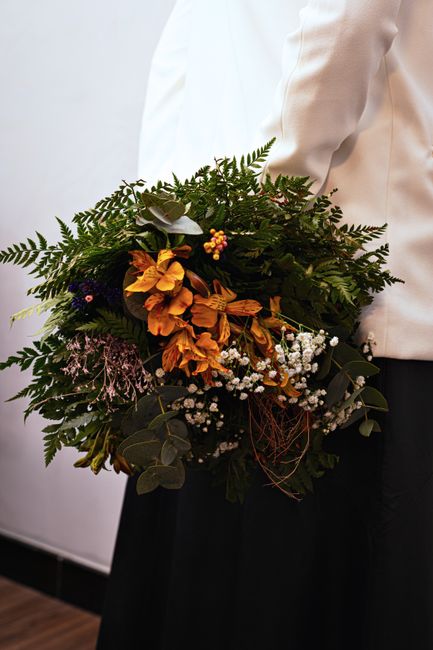
Kennington florist case study wedding bouquet before and after
Posted on 03/10/2026
If you are searching for a Kennington florist case study wedding bouquet before and after, chances are you want more than pretty photos. You want to understand what changes between the first bouquet idea and the finished wedding arrangement, why those changes happen, and what that means for your own flowers on the day. Fair enough. Weddings are full of moving parts, and the bouquet is one of those details that quietly pulls everything together.
This guide breaks down the before-and-after process in plain English. We will look at how a bouquet concept is shaped, refined, and delivered as a finished bridal piece, what practical decisions matter most, and where couples often get caught out. Along the way, you will see how wedding flowers fit into the wider planning picture, from style and season to timing and delivery. If you are comparing options in SE11, a good place to start is the florist's wedding flower collection and the dedicated bridal bouquet range.
Let's face it: a bouquet can look effortless in the final photo, but getting there takes thought. There is shape, stem strength, colour balance, flower condition, and sometimes a bit of compromise. That is not a bad thing. It is often what turns a nice bouquet into one that really works for the bride, the dress, the venue, and the camera.
Table of Contents
- Why Kennington florist case study wedding bouquet before and after Matters
- How Kennington florist case study wedding bouquet before and after Works
- Key Benefits and Practical Advantages
- Who This Is For and When It Makes Sense
- Step-by-Step Guidance
- Expert Tips for Better Results
- Common Mistakes to Avoid
- Tools, Resources and Recommendations
- Law, Compliance, Standards, or Best Practice
- Options, Methods, or Comparison Table
- Case Study or Real-World Example
- Practical Checklist
- Conclusion
- Frequently Asked Questions
Why Kennington florist case study wedding bouquet before and after Matters
A wedding bouquet is not just a bunch of flowers. It is a design choice, a styling decision, and often a very personal part of the day. A before-and-after case study is useful because it shows the distance between an initial idea and the finished bouquet you actually hold while walking down the aisle.
That matters for a few reasons. First, it helps you judge whether a florist really understands bridal work, not just general flower arranging. Second, it gives you a better feel for how seasonal flowers, budget, and colour palette influence the final result. Third, it makes the process less mysterious. Brides and grooms can see that a bouquet is often improved through careful editing rather than by adding more and more blooms. Sometimes less really is more. Funny how often that turns out to be true with flowers and with weddings generally.
In a local Kennington context, it also helps with practical planning. City weddings often involve tighter timelines, shorter transport windows, and venues with awkward load-in access. A bouquet that looks delicate may need to be robust enough to travel from workshop to venue without collapsing in the heat of the day or the crush of the morning schedule. That kind of detail is easy to miss if you only look at the final picture.
Expert summary: a strong bouquet case study should show not just the finished look, but the thinking behind it: flower choice, scale, structure, and how the design was adjusted for the bride, the season, and the venue.
It also helps with trust. People want to know: did the florist listen? Did the palette change in a sensible way? Was the bouquet made to suit the dress and the overall wedding mood, or simply copied from a trend board? Those are the real questions.
How Kennington florist case study wedding bouquet before and after Works
Most wedding bouquet projects move through a fairly clear process, though every florist handles the details a little differently. A before-and-after example usually begins with a consultation, brief, or mood reference. That may be a photo, a colour theme, a flower preference, or a rough idea like "soft, romantic, and not too big."
From there, the florist shapes a workable design. This is where the before stage matters. The initial concept might include flowers that are visually perfect but not practical for the date, or a structure that looks lovely on screen but would be too heavy to carry for an hour. The design then gets refined into something buildable.
Here is the part people often underestimate: a bouquet is designed with movement in mind. It has to sit well in the hand, photograph well from different angles, and still look fresh after a morning of getting ready, a ceremony, and endless hugs. No one wants a bouquet that looks tired before the first confetti shot.
In a typical before-and-after process, the florist might adjust:
- the flower mix, replacing fragile stems with sturdier alternatives
- the colour balance, so the bouquet sits better against the dress or suit
- the size, especially if the original draft feels too bulky
- the greenery, for either a softer or more structured finish
- the stem wrap and finish, to match the wedding style
For example, a bride may start with a loose, garden-style idea and end with a more refined hand-tied bouquet that keeps the same mood but works better in practice. That is not a downgrade. It is good design.
If you are browsing bouquet styles, the florist's I Cherish You bridal bouquet and The Perfect Match bridal bouquet are useful examples of how wedding designs can be presented with distinct style identities while still aiming for balance and elegance.
Key Benefits and Practical Advantages
A before-and-after bouquet case study gives you more than inspiration. It gives you decision-making clarity. That is the real value.
1. You see how ideas translate into reality. Pinterest-style inspiration is lovely, but flowers are living materials. A case study shows what happens when the idea meets stem length, seasonality, and handling. That is where the real work begins.
2. You can spot good floristry judgement. A skilled florist knows when to simplify, when to add texture, and when to hold back. The final bouquet should feel intentional, not overloaded. That judgement is worth paying attention to.
3. It helps with budget planning. If the first concept uses premium stems heavily, the florist may suggest substitutions to keep the look without inflating the cost. That is a practical advantage, especially for couples balancing flowers with venue, photography, and catering spend.
4. It improves communication. When you can see before-and-after transformations, it becomes easier to explain your own preferences. Maybe you like the shape of one bouquet but the colour mix of another. That is a useful conversation, not a problem.
5. It reduces surprises on the day. A bouquet is a key visual detail. Knowing what the final arrangement will likely look like gives you confidence, and honestly, weddings need a bit of that.
6. It supports better local delivery planning. A florist working across Kennington and nearby SE11 streets has to think about freshness, delivery timing, and handling. If the bouquet is designed well for transport, it will arrive in better condition.
For couples thinking through the wider wedding order, it can also help to compare bouquet options alongside matching pieces such as bridesmaid bouquets, wedding buttonholes, and table arrangements. Consistency matters more than most people realise.
Who This Is For and When It Makes Sense
This topic is especially useful if you are:
- planning a wedding in Kennington or nearby central London areas
- trying to choose between bouquet styles before placing an order
- wondering whether a florist can adapt a reference image into something practical
- comparing bridal bouquet options with bridesmaid and ceremony flowers
- looking for reassurance that the final bouquet will suit your dress, theme, and venue
- curious about how florists balance beauty with durability
It makes sense any time you want more than a gallery image. If you are the sort of person who wants to know the why behind a design, this is for you. It is also useful for wedding planners, stylists, and family members helping with floral decisions. And yes, probably the bride who has a screenshot folder full of bouquet ideas and now needs to make them behave in the real world.
This is less helpful if you only want a quick price check with no styling input. But even then, the before-and-after lens can stop you from overbuying stems or choosing a bouquet that looks stunning in theory and awkward in hand.
Step-by-Step Guidance
Here is a practical way to think about the bouquet process from first idea to final delivery.
1. Start with the mood, not just the flowers
Begin by describing the feeling you want. Soft and romantic? Clean and modern? A little wild and garden-like? That matters more than saying you want "white roses and some greenery." A florist can work with a mood far more effectively than a shopping list.
2. Share real reference images
Choose references that reflect your actual taste, dress style, and venue. A large, cascading bouquet may be lovely in a photo, but if your ceremony is intimate and your dress is detailed, it may overwhelm the whole look. Better to show examples that match your scale.
3. Discuss the practical constraints early
Ask about flower availability, season, scent sensitivity, and delivery timing. If you are marrying during a warm spell or have an early ceremony, your bouquet may need tougher stems and a firmer structure. That is just sensible planning.
4. Let the florist refine the design
This is where trust matters. You can absolutely express preferences, but the florist should be allowed to make technical adjustments. If a certain flower is weak in the market that week, a good substitute may give you a better result than sticking rigidly to the original picture.
5. Review the before-and-after logic
Ask what changed and why. Was the bouquet made smaller for comfort? Did the florist swap one bloom for another to improve colour contrast? These are good questions. The answers tell you whether the florist is designing for beauty and function.
6. Confirm the final details
Check the size, palette, wrap finish, delivery time, and any matching pieces. If you need a broader wedding package, you may want to compare the florist's SI wedding collection with the White Wonders wedding collection or the Pure Romance wedding collection.
7. Keep the handoff simple
On the day, the bouquet should be easy to collect and easy to hold. A neat stem wrap, sensible ribbon choice, and a secure design make all the difference. It sounds minor. It really isn't.
One small thing people forget: have a place for the bouquet during hair and makeup. Somewhere cool, shaded, and out of the way. The morning flies by, and flowers do not enjoy sitting in a sunny window. They just do not.
Expert Tips for Better Results
If you want the best outcome from a wedding bouquet brief, a few simple habits help a lot.
- Be specific about scale. Say whether you want petite, medium, or statement-sized. "Elegant but not too big" is actually useful.
- Match the bouquet to the dress detail. Heavy lace, beading, or a dramatic silhouette usually benefits from a bouquet that supports rather than competes.
- Think in layers of colour. A bouquet with just one colour can be beautiful, but a soft secondary tone often makes the arrangement feel richer.
- Ask for sturdier structure if needed. This is especially helpful for long ceremonies, warm days, or longer travel times.
- Plan for photos. Some designs photograph best from the front, others from above or at a slight angle. Mention your photographer's style if you know it.
- Be open to seasonal substitutions. The best bouquet is often the one that uses flowers at their natural best, not the one that fights the season.
A helpful little trick: if a bouquet looks lovely in theory but feels too busy in your head, ask for a slightly more edited version. Many of the best bridal bouquets are one thoughtful step away from being too much. That one step matters.
If you want a softer palette or a more contemporary look, the florist's SI bridal bouquet and Royal Essence bridal bouquet can be useful reference points for style direction. Different names, different moods, different final feels. That part is surprisingly important.
Common Mistakes to Avoid
Most bouquet problems are avoidable. They tend to come from overconfidence, under-briefing, or trying to cram three different ideas into one arrangement.
- Using inspiration images as exact instructions. A photograph is a reference, not a contract. Flower availability changes, and so does the way stems behave in real life.
- Ignoring the dress and venue. A bouquet that suits an outdoor garden wedding may feel wrong in a formal church or registry setting.
- Choosing too many focal flowers. If everything is shouting for attention, nothing feels composed.
- Forgetting holding comfort. A bouquet that is too heavy or awkward to carry will show in your posture, especially after twenty minutes of photos.
- Leaving the order too late. Popular wedding dates fill fast, and the best design conversations need time.
- Not asking about seasonal substitutions. This can create disappointment if a favourite flower is unavailable close to the date.
- Overlooking matching accessories. A bouquet can look even better when the buttonholes, corsages, and table flowers are designed with it in mind.
To be fair, weddings are full of tiny decisions, and no one gets every one right on the first pass. But this is exactly why a thoughtful florist consultation pays off. It catches the silly stuff before it becomes the expensive stuff.
Tools, Resources and Recommendations
You do not need a complicated toolkit to plan a bouquet well, but a few practical resources make the process easier.
- A mood board. Use saved images to show colour, shape, and style, not just flower names.
- A dress photo. Even a phone picture helps the florist judge proportion.
- Venue notes. Indoor, outdoor, registry office, church, marquee, garden. Each one changes the bouquet brief slightly.
- Guest and bridal party flower list. This helps the florist coordinate bridesmaid bouquets, buttonholes, and table work.
- Delivery details. Exact timing and contact information reduce day-of stress.
For supportive reading and planning, the florist's own pages on flower care, delivery, and guarantees are worth reviewing. They help set expectations on handling, timing, and what happens if something is not quite right. Also useful, especially if you are comparing suppliers, is the about us page, because the working style of a florist says a lot about the service you will receive.
If budget is part of the decision, there is no shame in that. Most couples have one eye on the flowers and the other on the rest of the budget. The key is to be clear about what matters most. A beautifully structured bouquet in a moderate size is often more effective than a larger one that feels less considered. And yes, the flowers know. Somehow they always know.
Law, Compliance, Standards, or Best Practice
Wedding floristry is not usually a heavily regulated service in the way some industries are, but there are still sensible UK best practices worth keeping in mind. These help protect both the customer and the florist.
Clear order details: Make sure the bouquet specification is agreed in writing or in a clear order summary. That should cover the style, approximate size, colour direction, delivery date, and any substitutions policy.
Consumer expectations: Flowers are natural products, so exact blooms may vary. A trustworthy florist should explain that seasonal change can affect the final mix while still preserving the agreed look and value.
Delivery and access: In London, access can be the awkward bit. Flats, one-way streets, event venues, and limited parking can all affect handover. A florist should plan for realistic delivery timing and safe transfer of the bouquet.
Freshness and handling: Best practice means keeping bouquets hydrated, cool, and protected until handover. That is basic floristry care, but it makes a big difference on the day.
Substitution transparency: If a flower is unavailable, the replacement should be of similar visual weight and quality where possible. Good florists do not just swap at random and hope for the best.
Accessibility and communication: If you need adjustments in how information is shared or how delivery is arranged, it is reasonable to ask. Clear communication avoids most headaches later.
For formal terms, payment handling, privacy, and customer rights, it is sensible to read the florist's terms and conditions and privacy policy. If you need further detail on site use or accessibility, the relevant policy pages are there too. It is all a bit unglamorous, I know, but this is the stuff that quietly keeps everything running smoothly.
Options, Methods, or Comparison Table
When comparing wedding bouquet approaches, it helps to think in terms of structure, style, and practical handling rather than just flower names.
| Approach | What It Looks Like | Best For | Watch Out For |
|---|---|---|---|
| Loose garden-style bouquet | Soft, airy, natural movement with mixed blooms | Romantic, relaxed weddings | Can need more careful stem support |
| Structured hand-tied bouquet | Neat shape with controlled balance | Classic weddings and formal settings | May feel less organic if overworked |
| Statement bouquet | Bolder scale and stronger visual impact | Large venues and fashion-led styling | Can be heavy or overpowering |
| Minimal bouquet | Clean lines, fewer flowers, refined finish | Modern ceremonies and simple dresses | Needs precise proportion to avoid looking sparse |
There is no single best choice. The right answer depends on the dress, venue, and how you want to feel carrying it. If your bouquet is going to appear in nearly every photo, then proportion and handling matter just as much as the flowers themselves.
For couples comparing finishes, the florist's True Happiness bridal bouquet and Everlasting Love bridal bouquet offer another useful contrast in bouquet styling language. Reading the names, you already get a sense of the tone they are aiming for.
Case Study or Real-World Example
Here is a realistic way a before-and-after bouquet project might unfold for a Kennington wedding.
Before: The couple wants a soft romantic bouquet in pale blush, cream, and green, with a loose garden feel. The initial idea includes several delicate blooms and trailing detail. It looks lovely on paper. But when the florist reviews the date, the expected weather, and the ceremony timing, a few changes make sense.
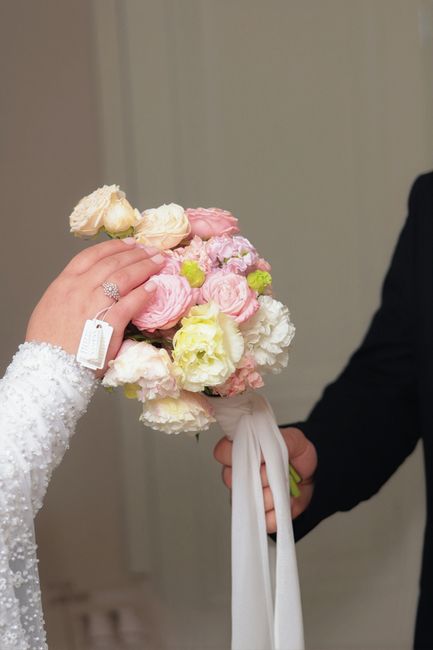
After: The final bouquet keeps the same soft palette but uses a slightly tighter hand-tied structure, with stronger focal flowers and carefully chosen supporting blooms. A little less trailing detail is used so the bouquet sits neatly in the hand and still looks fresh after transport. The finished result feels calmer, more polished, and more reliable in real conditions. Same mood, better execution.
That is the heart of a good case study. Not a dramatic transformation. Just a smarter one.
In practice, the bouquet may also be coordinated with matching bridal party flowers. A florist might suggest a lighter version for bridesmaids, a compact buttonhole for the groom, and simple table pieces that echo the bouquet without copying it exactly. This keeps the whole wedding design cohesive without making it feel overdone. Which, frankly, is easy to do if you love flowers a bit too much.
If you are looking for a full set of coordinated pieces, the wedding corsages and wedding gifts ranges can help round out the day in a balanced way.
Practical Checklist
Use this simple checklist before confirming your bouquet order:
- Have you chosen the wedding mood or style?
- Do you know your dress shape and main details?
- Have you shared the venue type and ceremony timing?
- Have you shown reference images that match your taste?
- Have you agreed on the colour palette?
- Do you understand which flowers are seasonal or may need substitution?
- Have you checked bouquet size and handling comfort?
- Have you asked about matching bridesmaid, buttonhole, or table flowers?
- Have you confirmed delivery instructions and contact details?
- Have you reviewed terms, guarantees, and order details?
If you can tick those off, you are already ahead of most couples. Really. A calm, tidy brief saves more stress than people expect.
Conclusion
A Kennington florist case study wedding bouquet before and after is useful because it shows the difference between an idea and a finished bridal piece that actually works on the day. The strongest bouquets are not always the most complicated. They are the ones that balance style, comfort, seasonality, and timing with a bit of good judgement.
When you understand the before-and-after process, you can brief a florist more clearly, avoid common mistakes, and make smarter decisions about colour, shape, and scale. That means fewer surprises and a bouquet that feels right in your hand, in your photos, and in the memory you keep afterwards. And that, honestly, is the whole point.
Get a free quote today and see how much you can save.
If you are planning flowers for a wedding in SE11, take a moment to explore the florist's broader wedding flowers range and compare bouquet styles before you decide. The best choice is usually the one that feels easy, elegant, and unmistakably yours.
Frequently Asked Questions
What does "before and after" mean in a wedding bouquet case study?
It means comparing the original bouquet idea with the final finished design. The before stage is the brief or concept, while the after stage is the real bouquet made for the wedding day.
Why would a florist change the original bouquet idea?
Usually for practical reasons: seasonal availability, better proportion, easier handling, or a more suitable colour balance. Good changes improve the final result rather than diluting it.
Can I ask for my bouquet to match a photo exactly?
You can ask, but exact matches are not always realistic because flowers vary by season and supply. A skilled florist will aim for a close style match with sensible substitutions where needed.
How far in advance should I order a wedding bouquet in Kennington?
The earlier the better, especially for popular wedding dates. A longer lead time gives you more choice and more room to refine the design properly.
What flowers work best for a bridal bouquet?
There is no single best choice. Roses, lilies, lisianthus, orchids, and seasonal mixed flowers are all common options. The best mix depends on the style, dress, and time of year.
How do I choose between a loose bouquet and a structured bouquet?
Think about your dress, venue, and comfort. Loose bouquets feel softer and more romantic, while structured bouquets often feel cleaner and more formal.
Should the bridesmaid bouquets match the bridal bouquet exactly?
Not necessarily. They should coordinate, but a slight variation in size, shape, or flower mix usually looks more polished than copying the bridal bouquet exactly.
What if the flowers I want are not in season?
A florist should suggest alternatives that keep the same colour story and overall feel. Seasonal substitutions often produce a stronger, fresher bouquet anyway.
How can I make sure the bouquet suits my dress?
Share a photo of your dress, explain the neckline and silhouette, and tell the florist whether you want the bouquet to stand out or sit quietly alongside the dress.
Is a bigger bouquet always better for photos?
No. Size should suit your frame, dress, and venue. A well-proportioned bouquet usually photographs better than one that is oversized and awkward to hold.
Do I need matching buttonholes and corsages?
Not always, but they help create a cohesive wedding look. If the bouquet is central to your styling, matching pieces often make the whole day feel more joined up.
What should I check before confirming the order?
Check the design brief, size, colour palette, delivery timing, substitution policy, and any matching flowers you want. If anything feels fuzzy, ask before paying.
Can I order a wedding bouquet if I am on a tighter budget?
Yes. A good florist can often adjust flower choice, scale, or complexity to suit your budget while still keeping the bouquet elegant and meaningful.
Why are before-and-after case studies useful when choosing a florist?
They show how the florist thinks. You are not just looking at pretty flowers; you are seeing judgement, problem-solving, and whether the final work feels practical as well as beautiful.